Empowering Local Communities
As the WATERGRID project progresses through its first year, summer 2026 marks an important operational milestone: our demonstration sites are rolling out their first round of local stakeholder workshops, turning collaborative concepts into grounded, on-site action
While our validation sites are scheduled to integrate structured stakeholder activities later in the project timeline, the active demonstration sites are currently leading the charge. These initial local workshops provide a vital platform for co-designing nature-based solutions (NBS) tailored directly to regional climate challenges like drought and extreme weather.
Valencia
Addressing Urban and Agricultural Resilience in Spain
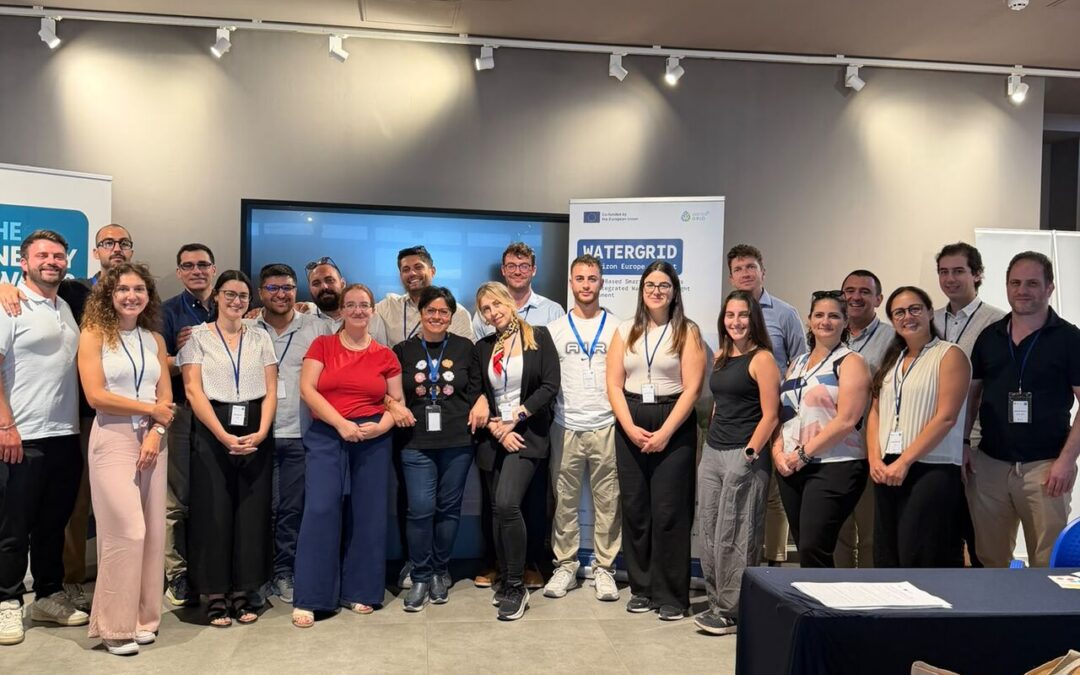
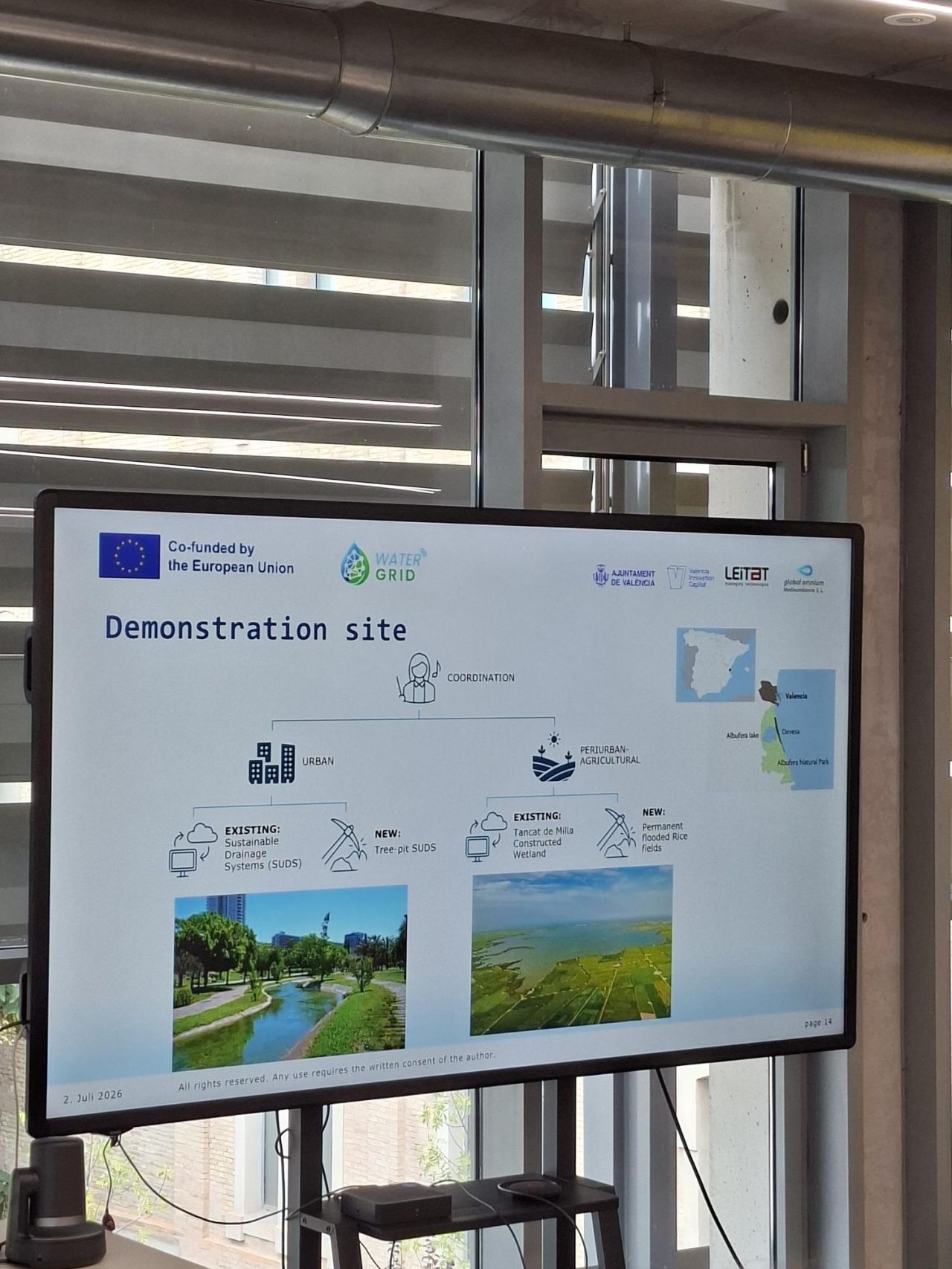
At a productive workshop held at La Harinera in Valencia, key regional stakeholders gathered to discuss innovative NBS for tackling severe drought and supporting the ecological health of the Albufera.
The session allowed participants to exchange ideas, assess risks linked to extreme events such as DANA, and explore replication potential across different contexts. Discussions focused closely on active pilots in both urban and peri-urban settings:
- Sustainable Drainage & Agriculture: Ranging from sustainable urban drainage solutions (SUDS) to research on crop diversification and alternative species designed to foster more water-retentive landscapes.
- The Tancat de Milia Wetland: Examining the role of constructed wetlands in improving water quality through natural biogeochemical processes while tracking local biodiversity.
Malta
Advancing Groundwater Recharge at Chadwick Lakes
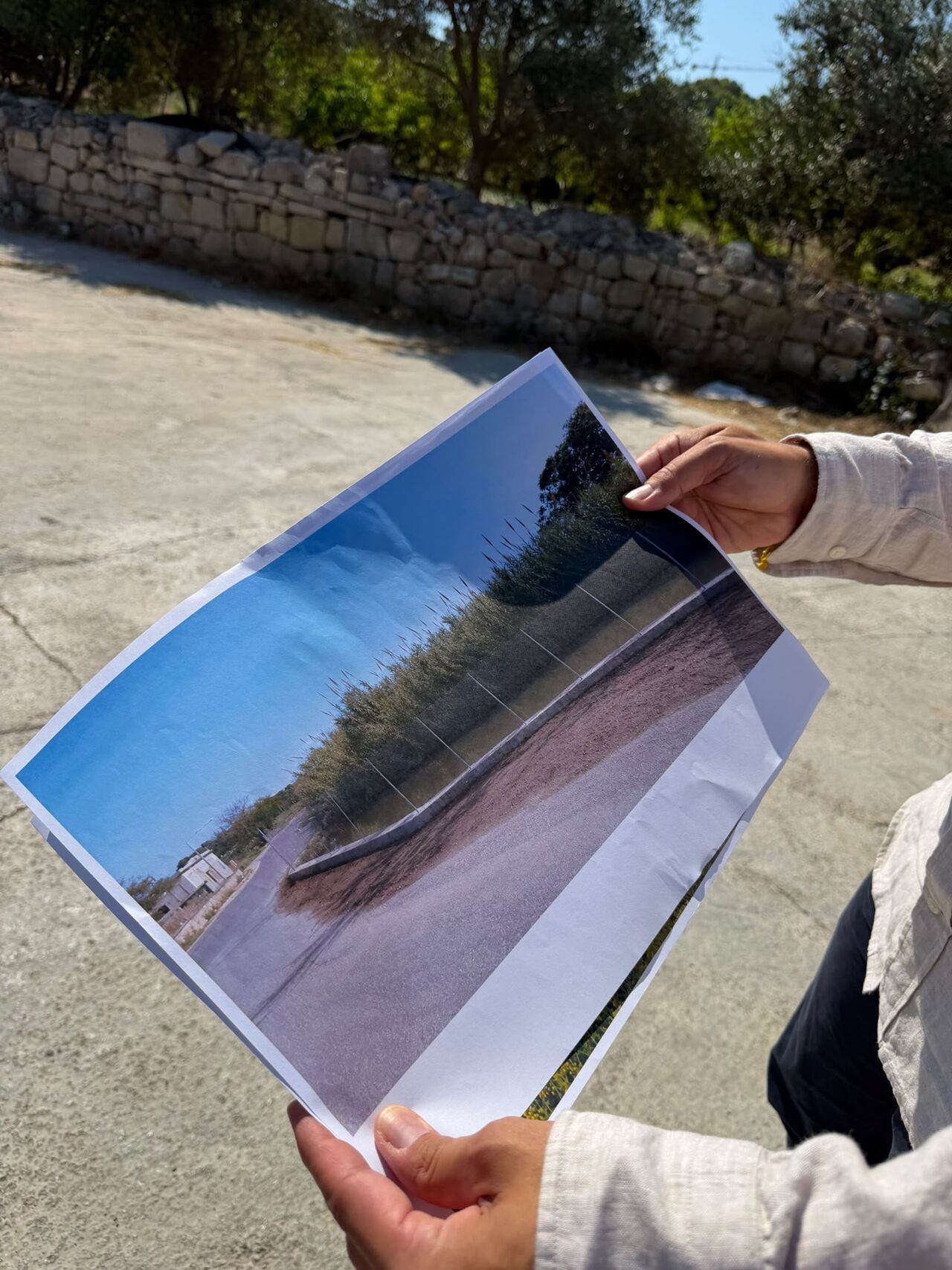
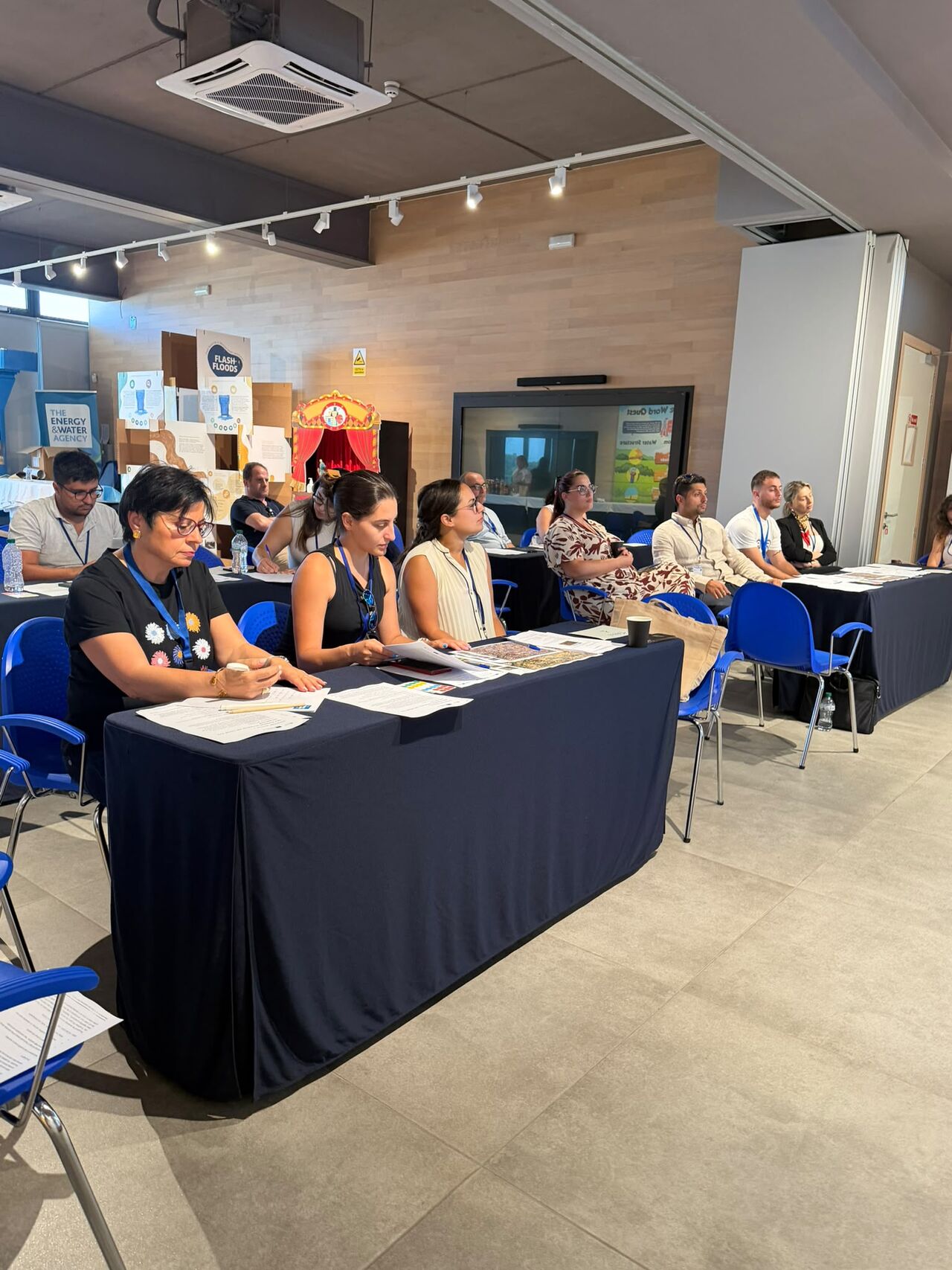
With targeted investments in on-site works and monitoring now underway, the pilot is exploring a practical suite of NBS, including check dams, ponds, swales, rubble walls, and buffer strips. These localized measures are designed to support vital groundwater recharge, reduce destructive surface runoff, and significantly strengthen long-term drought resilience.
Belgium
Expert Fieldtrips and Local Collaboration at Averbode Bos & Heide
At the Belgian demonstration site ‘Averbode Bos & Heide’, the team rolled out a targeted, multi-stage stakeholder process to test and refine its planned nature-based solutions by engaging the informal ‘Ecohydrologists club’. A diverse network of experts from research institutions, consultancies, government agencies, and nature conservation organizations.
The engagement unfolded through a collaborative, hands-on structure:
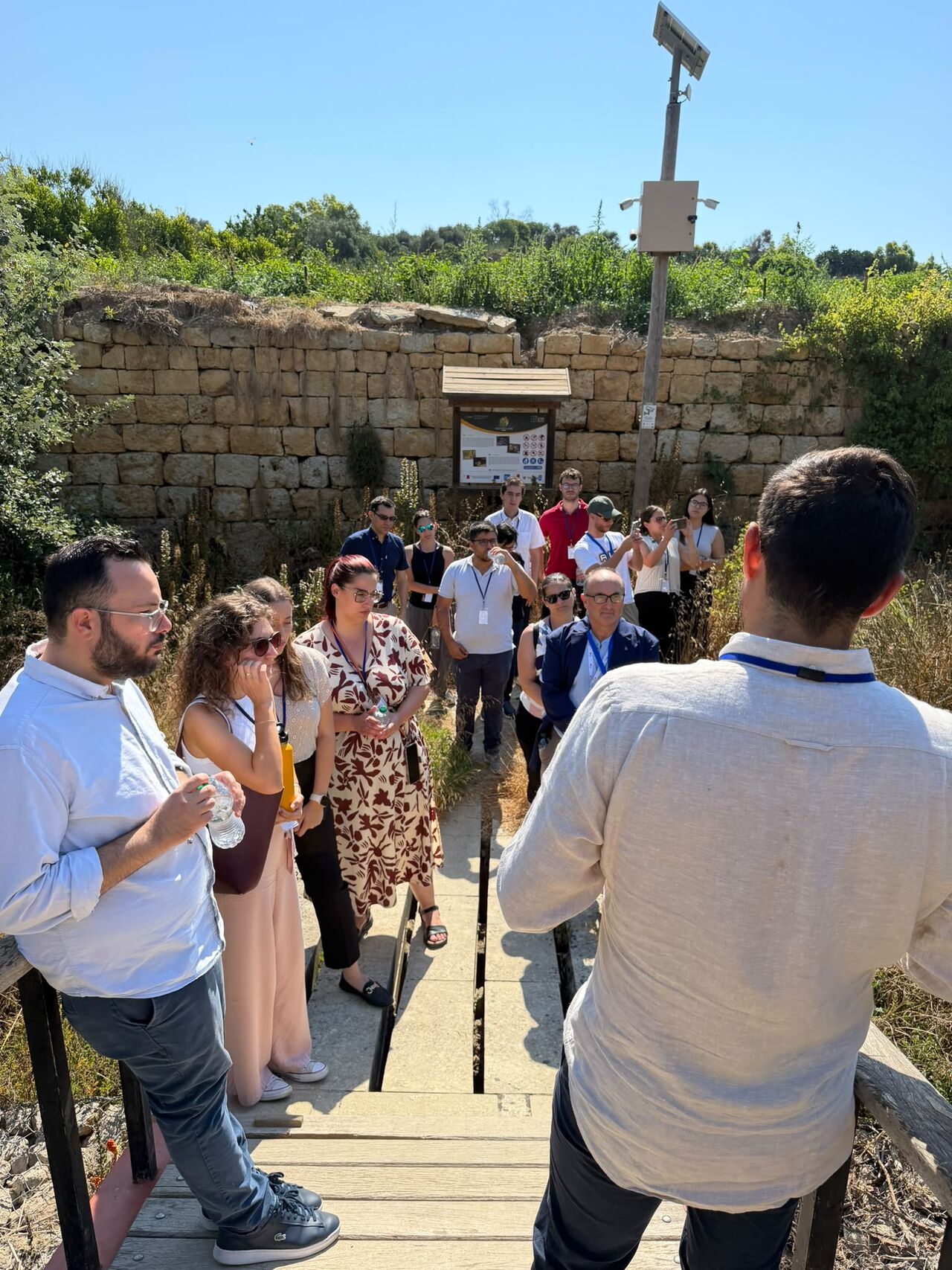
- The Expert Field Trip: Following an introduction to the site’s history and hydro-geological background, participants embarked on a day-long field excursion through the nature reserve, serving as an experienced sounding board to critically scrutinize the proposed NBS.
- Indoor & On-Site Alignment: A dedicated indoor workshop was held with the local management team to discuss technical NBS proposals, balancing ecological impact with public access considerations. This was followed by a second targeted site visit to address practical implementation details on the ground.
The Road Ahead for Local Engagement
These early workshops highlight a core principle of the WATERGRID project: effective climate adaptation must be rooted in local realities.
By engaging directly with municipal leaders, water authorities, farmers, and technical experts at our demonstration sites, WATERGRID ensures that its solutions are practical, impactful, and ready for broader application. As more demonstration sites roll out their initial workshops in the coming months, the insights gathered will directly feed into our ongoing modeling, monitoring, and project development.
Stay tuned for more updates from our demonstration sites, and follow our LinkedIn channel to track our progress across Europe!